Abuja, Nigeria – Monday, October 20, 2025 — The Nigerian capital was effectively shut down Monday morning as security forces deployed tear gas, mounted barricades, and blocked major access points in reaction to protests demanding the release of detained Indigenous People of Biafra (IPOB) leader, Nnamdi Kanu.
Protest & Crackdown
-
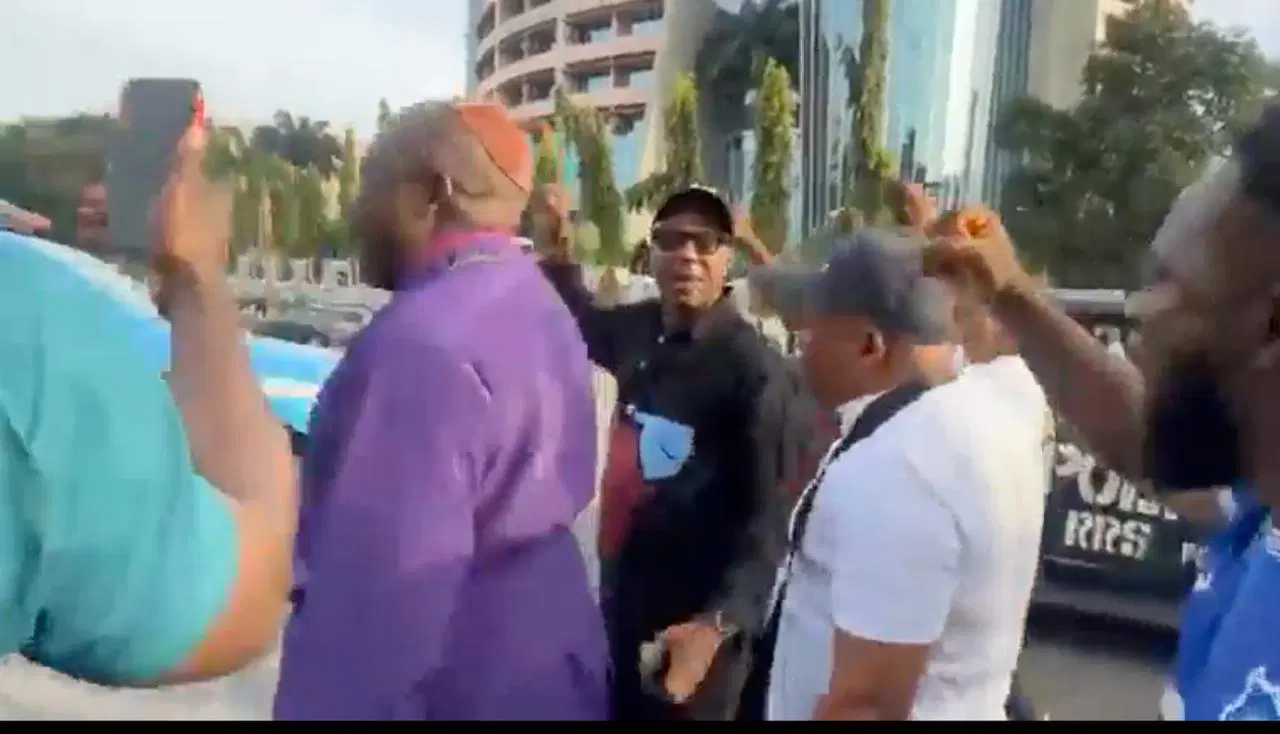
The demonstration was organized under the banner #FreeNnamdiKanuNow, spearheaded by activist Omoyele Sowore. Protesters gathered near the Nigeria Communications Commission (NCC) headquarters in the Maitama district of Abuja, carrying placards and chanting “Free Nnamdi Kanu.”
-
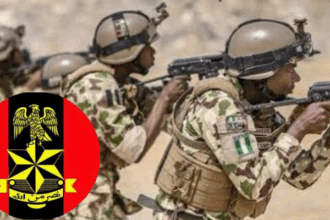
In anticipation, security forces—including police, the Department of State Services (DSS), and military units—were deployed heavily across Abuja, especially around sensitive zones such as the Three Arms Zone, Eagle Square, Unity Fountain, the National Assembly, Federal Secretariat, and the Presidential Villa.
-
As protesters attempted to march toward restricted areas, security operatives fired tear gas canisters, and in some instances, reportedly discharged live rounds into the air. Many protesters, along with onlookers, fled in panic. Some protesters regrouped in the Utako area, only to be met again with tear gas. The chaotic scenes led to stampedes, with many dashing into shops and side streets for cover.
Disruptions to the City
-
The city’s economic life was largely paralyzed. Key roads were barricaded or blocked by security forces, preventing workers and commuters from reaching offices.
-
The Federal Secretariat and National Assembly precincts, normally bustling, were virtually deserted as employees were turned back at security checkpoints.
-
Motorists from areas like Bwari, Nyanya, Dutse, and Kubwa reported severe gridlock. Many remained stuck for hours, unable to enter the city center.
-
Among those arrested were Nnamdi Kanu’s brother, Prince Emmanuel Kanu, and his lawyer, Barrister Aloy Ejimakor. Journalists covering the protest, including those from Agence France‑Presse (AFP), were reportedly hassled, had their equipment seized, or were temporarily detained. The Nigeria Union of Journalists (NUJ) condemned the violence and demanded compensation and accountability for damage to media assets.
-
The Force Public Relations Officer, CSP Benjamin Hundeyin, defended the crackdown, stating the police acted to enforce a court order restricting protests near key government buildings.
-
In contrast, activists and legal observers challenged the legitimacy and selective enforcement of the court order, arguing that protesters had largely avoided prohibited zones, and questioning why only this demonstration was treated with force.
-
Additionally, Amnesty International Nigeria issued a statement condemning any attempt to suppress peaceful assembly, calling on authorities to uphold rights guaranteed under both Nigeria’s constitution and international agreements.
Reactions & Counter-Demonstrations
-
In a twist, a pro‑judicial protest also occurred in Abuja, with a group asserting that legal process should not be undermined by pressure from public demonstrations. The counter-protesters carried banners saying “No Pressure to the Rule of Law.” The Presidency, through its Special Adviser on Information, Bayo Onanuga, criticized the involvement of Kanu’s lawyer in the protest, suggesting it undermined legal ethics given that the case is sub judice. He urged legal regulatory bodies to consider sanctions. Rights advocates, families, and civil society groups pressed for the immediate release of detainees, decrying the heavy‑handed approach as symptomatic of government intolerance to dissent.
Context & Stakes
-
Nnamdi Kanu, who also holds British citizenship, has been in custody under terrorism and treason‑related charges. Supporters argue his detention is politically motivated and point to conflicting court judgments, including the 2022 Court of Appeal decision that discharged and acquitted him.
-
His case remains one of Nigeria’s most polarizing. Supporters see him as a voice against marginalization of the Igbo people and the southeastern region. Critics and the government view him as a separatist threat.
-
The response by security forces—a massive show of force and suppression of protest—underscores the risks the government is willing to assume to prevent unrest in the capital. Many analysts see the tensions as a broader reflection of the struggle between citizens’ rights to protest and state claims of maintaining order