Some civil society organisations (CSOs) have criticised the senate for rejecting key provisions in the ongoing Electoral Act amendment process.
6th February, ,2026
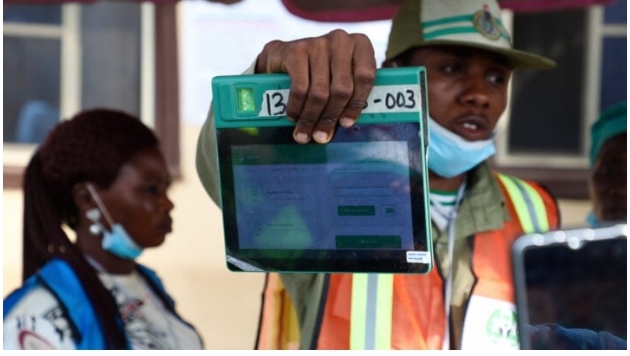
In a joint statement released on Thursday, the CSOs raised concerns over the senate’s refusal to approve compulsory real-time electronic transmission of election results — a reform widely seen as critical to reducing disputes and enhancing public trust in Nigeria’s electoral process.
In a joint statement released on Thursday, the CSOs raised concerns over the senate’s refusal to approve compulsory real-time electronic transmission of election results — a reform widely seen as critical to reducing disputes and enhancing public trust in Nigeria’s electoral process.
The senate also blocked a provision that would have allowed voters to download missing or unissued permanent voter cards (PVCs) online.
In addition, the red chamber approved sharp reductions in critical pre-election timelines, including, cutting the notice period for elections from 360 days to 180 days; reducing the deadline for political parties to submit candidate lists from 180 days to 90 days; and shortening INEC’s window to publish nominations from 150 days to 60 days
The organisations warned that these compressed timelines will severely limit public scrutiny, hamper logistical planning by the Independent National Electoral Commission (INEC), and create fertile ground for electoral manipulation.
“The Senate vote represents a setback for electoral integrity. The undersigned civil society organisations express deep concern over the Nigerian Senate’s vote on key electoral amendment proposals, which have resulted in the rejection of some of the most consequential legal changes required to strengthen electoral transparency, inclusion, and credibility,” the statement reads.
“The Senate rejected provisions allowing voters to download missing or unissued voter cards, blocked electronic transmission of election results, and significantly compressed critical electoral timelines.”
The groups criticised the rejection of a proposed 10-year ban on offenders, arguing that the absence of tougher sanctions weakens the fight against vote-buying and electoral corruption.