10 February, 2026
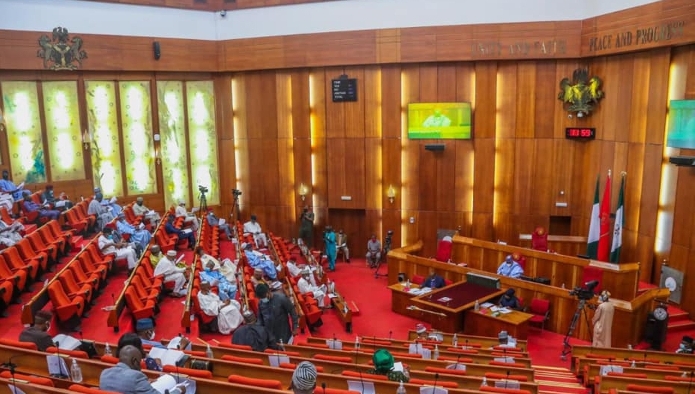
THE Senate has appointed 12 members to serve on a conference committee with the House of Representatives to harmonise differences on the Electoral Act Amendment Bill 2026, following heated plenary debates over provisions on electronic transmission of election results.
The Senate President, Godswill Akpabio, reached the decision after senators adopted the Votes and Proceedings of Wednesday, February 4, paving the way for the expansion of the Senate’s earlier nine-member conference committee to match the 12-member delegation already constituted by the House.
“The information we have is that our counterparts in the House of Representatives are 12 in number. While we have nine here, so we just have to move our number to 12, so that we can have 12-12,” Akpabio said.
He subsequently named Simon Lalong as chairman of the Senate conference committee, alongside other members
Tense plenary over voting procedure
A central flashpoint in the debate was a provision on the electronic transmission of election results.
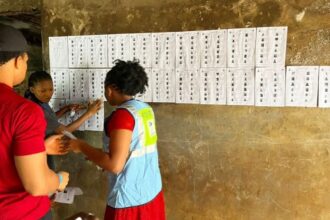
The House of Representatives had passed a version of the bill mandating real-time electronic transmission of polling unit results to the Independent National Electoral Commission’s (INEC) Results Viewing Portal (IREV), a reform backed by civil society and opposition figures who say it would strengthen transparency.
However, during Senate consideration, lawmakers rejected a proposal to make real-time transmission mandatory. They instead adopting the existing legal provision that result transmission be done “in a manner as prescribed by the Commission.” Critics immediately condemned the move as weakening electoral transparency.
However, during Senate consideration, lawmakers rejected a proposal to make real-time transmission mandatory. They instead adopting the existing legal provision that result transmission be done “in a manner as prescribed by the Commission.” Critics immediately condemned the move as weakening electoral transparency.
The debate on Tuesday began when the Senate Chief Whip, Mohammed Tahir Monguno, moved an amended proposal, effectively introducing a different motion.
He claimed to have seconded the motion, but when asked to clarify its content, he was unable to explain, worsening the uproar in the chamber.
Monguno insisted that he had seconded the earlier motion, which had already been passed but later rescinded, specifically regarding Section 60, Subsection 3 of the bill, part of which stipulates that the presiding officer should uphold results on the IREV portal after Form ECHA has been signed, in cases where electronic transmission fails and it becomes impossible to transmit results. The provision essentially designates Form ECHA as the primary source for election results in such circumstances.
A subsequent vote was conducted, and members voted unanimously.
However, Abia South senator, Enyinnaya Abaribe invoked Order 72, which allows any lawmaker to challenge the opinion of the Senate President or presiding chairman by requesting a division, effectively calling for a motion to be voted on individually. The move sparked some confusion and debate on the floor, with colleagues questioning why he had taken that action.
After a brief pause while senators reviewed the relevant pages of the bill, Abaribe withdrew the order he had invoked.