February 24, 2026
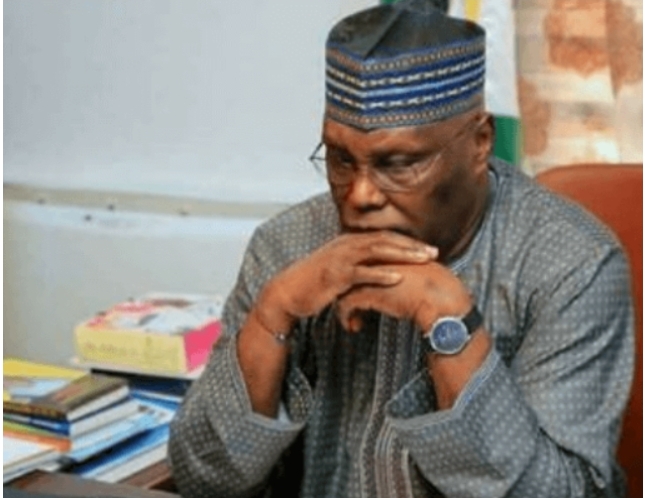
Atiku Abubakar, a former vice president of Nigeria, has urged the federal government to either guarantee the safety and health of former Kaduna State governor, Nasir El-Rufai ,or grant him bail without delay, warning that the administration would be held responsible if anything happens to him in custody.
El-Rufai has been in detention since February 16, when he honoured an invitation from the Economic and Financial Crimes Commission (EFCC). He was subsequently transferred to the custody of the Independent Corrupt Practices and Other Related Offences Commission (ICPC).
Officials of the anti-corruption agency later searched his Abuja residence, an action he has challenged in court.
Providing an update on his condition, his media aide, Muyiwa Adekeye, alleged that El-Rufai, the African Democratic Congress (ADC) chieftain suffered a nosebleed in custody and that one of his wives was prevented from handing food to him directly.
Read also: El-Rufai sues ICPC over Abuja home raid, seeks N1bn damages
But reacting in a statement posted on his social media platforms, Atiku said El-Rufai’s health and welfare were matters of grave concern to his family, friends, and associates.
“If anything happens to El-Rufai, this government will be held accountable,” Atiku warned.
He further demanded clarity from the government regarding which security agency currently holds the former governor, noting that uncertainty only fuels suspicion.
According to him, Nigerians deserve to know whether El-Rufai is in the custody of the EFCC, the ICPC, the Department of State Services, or any other security institution. Atiku, a prominent opposition figure said any of the agencies responsible has a constitutional duty to guarantee his safety, dignity, access to medical care, and access to family members and legal representatives.
Atiku also described reports of a nosebleed and alleged restrictions on family access as troubling and unacceptable in a democratic society. He warned against what he termed the growing perception of selective prosecution, saying anti-corruption efforts must not be used as political tools.
“Anti-corruption cannot be credible when it appears partisan, coercive, or strategically timed. The continued detention of El-Rufai under unclear circumstances raises serious questions about motive. Justice must be transparent, accountability must be even-handed, and the rule of law must apply to all without fear or favour,” he said.