The federal government has approved the procurement of 35 additional linear accelerators between 2027 and 2029 to expand access to radiotherapy and strengthen cancer treatment.
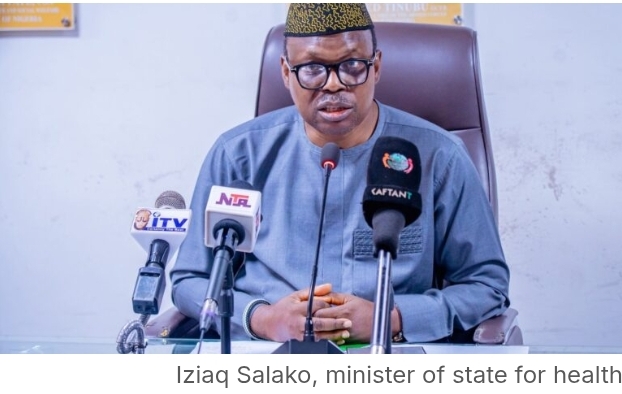
In a statement issued on Tuesday by Ado Bako, assistant director, information and public relations, Iziaq Salako, minister of state for health and social welfare, said the investment formed part of efforts to strengthen cancer prevention, early detection and treatment under the national cancer control plan 2026–2030.
Salako spoke as he hosted members of the Global Advisory Council of the National Cancer Control Plan Technical Working Group in Abuja.
He said six cancer centres are being developed across the country, with three completed and three under construction.
The minister noted that the federal government has continued to place emphasis on cancer prevention, citing the president’s approval of Human Papillomavirus (HPV) vaccination.
He noted that the government is broadening cervical cancer screening, improving public awareness and integrating selected screening services into primary and secondary levels of care to strengthen early detection, while establishing a Cervical Cancer Elimination Council.
“Prevention is better and cheaper than cure. We are doing everything possible to expand routine immunisation, broaden screening and improve early detection,” the statement reads.
Salako commended members of the advisory council for bringing their expertise, experience, networks and resources to bear on Nigeria.
He also formally inaugurated the Blood Cancer Consortium, describing it as an important platform for advancing collaboration, knowledge and improved outcomes in the management of blood cancer.
The meeting concluded with the ceremonial signing of a strategic partnership between the ministry, the working group, and members of the council.
In June, Salako said the federal government is targeting a 50 percent reduction in Nigeria’s cancer burden by 2030 through improved screening, diagnosis, treatment, and survivorship interventions.
He noted that partnerships remain central to achieving the country’s cancer control objectives.
Salako added that the government cannot tackle the challenge alone and would continue to rely on collaborations with private sector players and development partners.