21st February, 2026
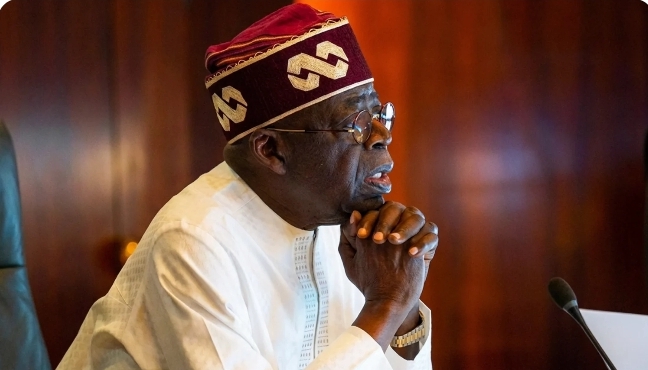
President Bola Ahmed Tinubu’s prompt assent to the amended Electoral Bill threw some light to issues that will shape the 2027 general election.
Despite calls on the President to withhold his signature like former president Muhammadu Buhari did, on the spur of conditional adoption of real-time transmission of polling unit results, a lot of changes in the election environment and polity will be witnessed as the bill became law in record time.
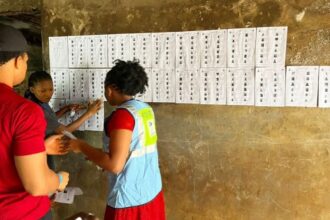
With the new Electoral Act coming into force, a lot is expected from politicians, political parties, the electorate and the Independent National Electoral Commission (INEC) to make the best out of the new provisions.
Enlightenment is key; because apart from the factor of real-time transmission of Polling Unit results to the INEC Result Viewing (IReV) portal, there are some unique provisions and missing links that would demand further review since nation building is a work in progress
As Civil Society Organisations (CSOs) continue to agonise and organise over the retention of Form EC8 as the basic election result collation document, there are some salient provisions that deserve positive reflection.
One of such provisions in the now Electoral Act 2026 is the removal of indirect primary election, which extinguishes the role of middle men and corruption in candidate nomination process by political parties. What this stipulation and Tinubu’s prompt assent conveys is that the Executive and Legislature remained on the same page all through the period the amendment lasted.
FOR 5🌟 click https://g.page/r/Cd00q7N7GpoyEAE/review