
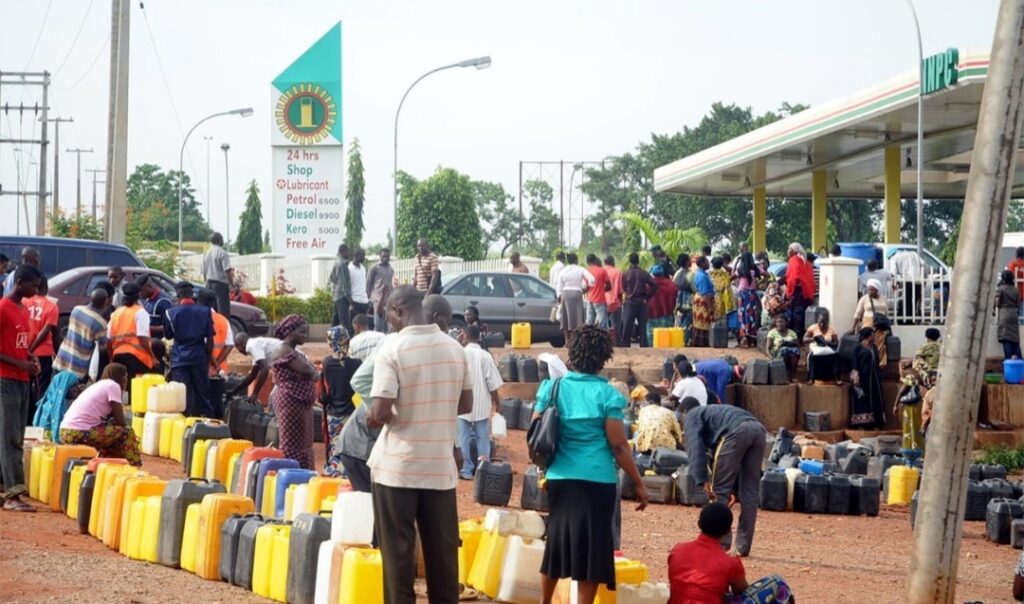
Nigerians Demand Reduction in Fuel Prices as Global Crude Oil Prices Decline
Growing calls have emerged across Nigeria for a reduction in the pump price of Premium Motor Spirit (PMS), commonly known as petrol, following the recent decline in global crude oil prices.
Motorists, transport operators, businesses and consumer groups argue that if rising international crude oil prices previously resulted in higher petrol prices, the current drop in crude prices should also translate into lower pump prices for consumers. The demand has gained momentum as Brent crude continues to trade at levels significantly below the highs recorded during recent geopolitical tensions in the Middle East.
Many Nigerians have expressed concern over the continued sale of petrol at prices exceeding ₦1,200 per litre in several parts of the country despite the easing of global oil prices. They argue that households and businesses continue to struggle with high transportation costs, rising food prices and increased operating expenses, making a reduction in fuel prices necessary to provide economic relief.
The Petroleum Products Retail Outlets Owners Association of Nigeria (PETROAN) has also urged refiners, depot owners and fuel importers to reduce both ex-depot and retail pump prices in line with current market realities. According to the association, the decline in crude oil prices presents an opportunity for operators in the downstream petroleum sector to pass the benefits of lower costs to consumers rather than maintaining existing prices.
Industry analysts, however, note that the price of petrol is influenced by several factors beyond the international price of crude oil. These include foreign exchange rates, refining costs, transportation expenses, distribution margins and other operational costs within the downstream petroleum sector. As a result, experts say any reduction in pump prices may not occur immediately even when crude oil prices fall.
Economic experts have also observed that fuel prices often rise rapidly when crude oil prices increase but tend to decline more gradually when global oil prices fall. They say market dynamics, existing inventories purchased at higher prices and fluctuations in the exchange rate can delay price adjustments at filling stations.
Despite these explanations, many Nigerians insist that the benefits of falling crude oil prices should be reflected in the domestic market. Consumer advocates argue that lower fuel prices would help reduce transportation costs, ease inflationary pressures and provide much-needed relief to households and businesses facing the high cost of living.
As discussions continue, industry stakeholders are closely monitoring whether refiners, marketers, and regulatory authorities will adjust petrol prices in response to the shifting global oil market. Many Nigerians remain hopeful that sustained declines in crude oil prices will eventually lead to more affordable fuel and help ease the country’s current economic challenges.