Nigeria Proceeds with $5 Billion UAE Financing Deal Despite IMF Concerns
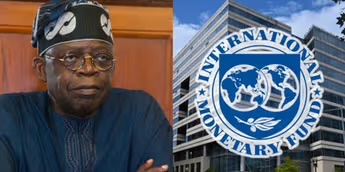
The Federal Government has moved ahead with its proposed $5 billion financing arrangement with the First Abu Dhabi Bank of the United Arab Emirates (UAE) despite concerns raised by the International Monetary Fund (IMF) over the structure of the transaction.
The financing deal, approved by the National Assembly as part of the Federal Government’s external borrowing plan, is expected to provide funding for the implementation of the 2026 budget, support priority infrastructure projects and refinance portions of Nigeria’s existing domestic and external debt.The IMF had earlier cautioned Nigeria against relying on the proposed financing structure, known as a Total Return Swap (TRS), describing such arrangements as complex and often lacking transparency. The Fund warned that the transaction could expose the country to additional financial risks, particularly if exchange rates fluctuate or the value of the underlying assets declines.
According to the IMF, Nigeria still has access to more conventional funding options, including Eurobond issuances and concessional loans, which it believes may offer greater transparency and lower financial risks. The Fund advised the government to carefully assess the long-term implications of the proposed arrangement before proceeding.
Despite the warning, the Federal Government has maintained that the financing package is an important component of its economic strategy. Officials said the funds will be used to bridge financing gaps, implement critical development projects and improve debt management by refinancing more expensive obligations.
Government officials have also argued that the arrangement forms part of broader efforts to secure funding at competitive terms while sustaining ongoing economic reforms. They insist that the transaction complies with all necessary legal and regulatory requirements and will contribute to the country’s development objectives.Economic analysts remain divided over the proposed deal. While some believe the additional financing could help accelerate infrastructure development and ease fiscal pressures, others have expressed concerns about Nigeria’s growing debt burden and the potential risks associated with complex financing instruments.The debate comes as Nigeria continues to pursue economic reforms aimed at improving fiscal stability, attracting investment and strengthening public finances. The country has implemented several policy changes in recent years, including reforms in the foreign exchange market and the removal of fuel subsidies, measures that have received mixed reactions from both local stakeholders and international financial institutions.
As discussions continue, attention will remain focused on how the government manages the proposed financing arrangement and whether the expected economic benefits outweigh the concerns raised by the IMF. The outcome of the deal is expected to play a significant role in shaping Nigeria’s fiscal outlook and broader economic strategy in the coming years.